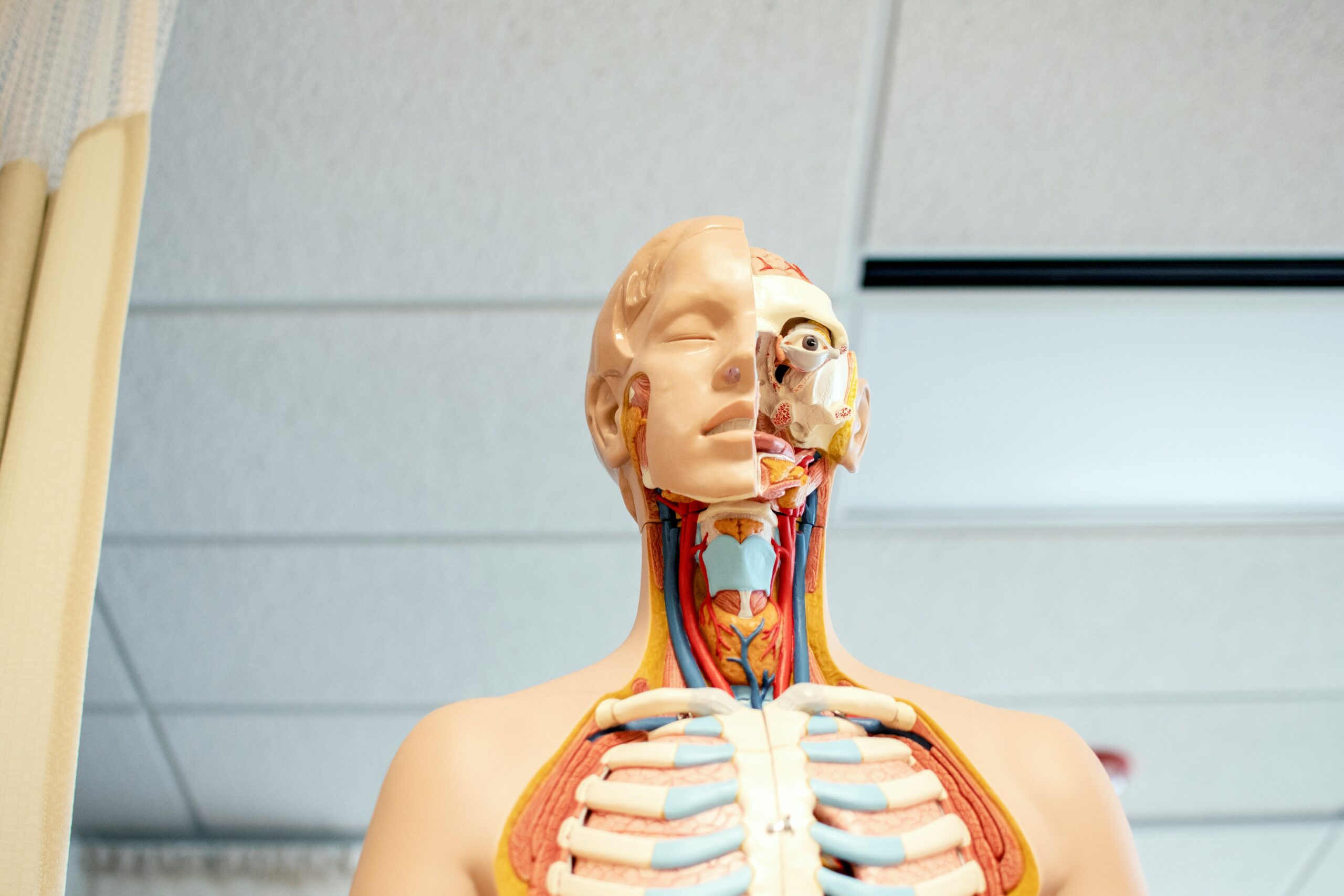
Dr. Rod Rohrich has developed expertise in functional rhinoplasty that addresses nasal breathing problems while simultaneously achieving aesthetic improvements. His integrated approach recognizes that successful rhinoplasty must consider both form and function, ensuring that aesthetic enhancements do not compromise nasal airway function.
Understanding Nasal Airway Anatomy
Functional rhinoplasty requires thorough understanding of nasal airway anatomy and the complex relationships between structural elements that affect breathing. Dr. Rohrich’s approach includes comprehensive evaluation of all anatomical factors that contribute to nasal obstruction and breathing difficulties.
The nasal septum serves as the central structural support for the nose and plays a crucial role in nasal airway function. Septal deviation or irregularities can significantly impact breathing and must be addressed during functional rhinoplasty procedures.
Turbinate enlargement represents another common cause of nasal obstruction that may require treatment during functional rhinoplasty. The inferior turbinates regulate nasal airflow and humidification, but enlargement can create breathing difficulties that benefit from surgical modification.
Nasal valve dysfunction affects the narrowest portion of the nasal airway and represents a common cause of breathing problems that can be addressed through structural modifications during rhinoplasty. Dr. Rod Rohrich’s experience includes various techniques for nasal valve reconstruction and support.
Integration of Aesthetic and Functional Goals
The most successful rhinoplasty procedures address both aesthetic concerns and functional problems through integrated surgical planning that considers all patient goals. Dr. Rohrich’s approach avoids the traditional separation between cosmetic and functional procedures, recognizing that optimal outcomes require comprehensive treatment.
Patients often present with both aesthetic concerns and breathing problems that can be addressed simultaneously through carefully planned surgical procedures. This integrated approach reduces the need for multiple surgeries and provides comprehensive improvement in both appearance and function.
The surgical planning process includes evaluation of how aesthetic changes will affect nasal function and how functional improvements can be achieved while maintaining or enhancing aesthetic appearance. Rod Rohrich reviews these considerations carefully with each patient to develop optimal treatment plans.
Septoplasty and Rhinoplasty Combination
Septoplasty procedures correct septal deviation and irregularities that contribute to nasal obstruction and breathing difficulties. When combined with rhinoplasty, septoplasty can be performed through the same surgical incisions, reducing overall surgical trauma and recovery time.
The combination of septoplasty with rhinoplasty allows comprehensive treatment of both functional and aesthetic concerns while utilizing cartilage from septoplasty for grafting purposes in rhinoplasty procedures. This efficient use of tissue reduces the need for additional donor sites.
Surgical planning for combined procedures requires careful analysis of how septal modifications will affect external nasal appearance and how rhinoplasty changes will impact nasal airway function. Dr. Rod Rohrich’s experience allows optimal integration of these procedures.
Turbinate Reduction Techniques
Enlarged turbinates can be addressed through various surgical techniques that reduce turbinate size while preserving their important physiological functions. Dr. Rohrich utilizes conservative turbinate reduction techniques that improve airflow without causing excessive dryness or other complications.
Turbinate reduction can be performed using radiofrequency ablation, partial resection, or other techniques that reduce turbinate volume while maintaining their function in air humidification and filtration. The selection of technique depends on individual anatomy and the degree of enlargement.
The integration of turbinate reduction with rhinoplasty allows comprehensive treatment of nasal obstruction while achieving aesthetic improvements. This combined approach provides optimal functional outcomes while maintaining natural nasal physiology.
Nasal Valve Reconstruction
Nasal valve dysfunction represents a complex problem that requires specialized surgical techniques to restore normal airway function. Dr. Rod Rohrich has experience with various nasal valve reconstruction techniques that address both internal and external valve dysfunction.
Internal nasal valve reconstruction may involve spreader grafts, batten grafts, or other techniques that provide structural support and improve airway dimensions. These techniques require precise placement and sizing to achieve optimal functional improvement.
External nasal valve reconstruction addresses collapse or narrowing of the external nasal valve area through techniques such as alar rim grafts or lateral crural repositioning. The selection of technique depends on individual anatomy and the specific cause of valve dysfunction.
Cartilage Grafting for Functional Support
Functional rhinoplasty often requires cartilage grafting to provide structural support and maintain or improve nasal airway function. Dr. Rohrich utilizes various types of cartilage grafts selected based on individual patient needs and available donor tissue.
Spreader grafts placed between the septum and upper lateral cartilages can improve internal nasal valve function while also contributing to aesthetic improvements in the nasal dorsum. These grafts provide both functional and aesthetic benefits through strategic placement.
Batten grafts and other support grafts can address specific areas of weakness or collapse that contribute to breathing difficulties. The precise placement and sizing of these grafts requires advanced surgical skills and understanding of nasal airway dynamics.
Post-Operative Care for Functional Results
Functional rhinoplasty requires specialized post-operative care that supports both aesthetic healing and functional improvement. Dr. Rod Rohrich’s post-operative protocols include specific measures to optimize functional outcomes while promoting aesthetic healing.
Nasal splinting and packing techniques must balance the need for structural support with patient comfort and functional recovery. The duration and type of internal support devices affect both healing and early functional outcomes.
Patient education about post-operative care includes specific instructions for nasal hygiene, activity restrictions, and signs of complications that may affect functional outcomes. Rod Rohrich reviews these instructions carefully with patients to promote optimal healing and functional improvement.
Long-term Functional Outcomes
Functional rhinoplasty results must remain stable over time to provide lasting improvement in nasal breathing and patient satisfaction. Dr. Rohrich’s long-term follow-up includes assessment of both aesthetic and functional outcomes to ensure sustained improvement.
Objective measurement of nasal airflow and resistance can provide quantitative assessment of functional improvement following surgery. These measurements complement subjective patient reports of breathing improvement and overall satisfaction.
Long-term studies of functional rhinoplasty outcomes provide valuable data about technique effectiveness and factors that contribute to sustained functional improvement. Dr. Rod Rohrich reviews outcome data to identify opportunities for technique refinement and improved results.
Patient Selection and Evaluation
Successful functional rhinoplasty requires careful patient selection and comprehensive evaluation to identify appropriate candidates and develop realistic treatment plans. Dr. Rohrich’s evaluation process includes both subjective assessment of symptoms and objective evaluation of nasal anatomy.
Patient history includes detailed assessment of breathing symptoms, previous treatments, and factors that may affect surgical outcomes. The evaluation also includes discussion of patient goals and expectations for both functional and aesthetic improvement.
Physical examination includes nasal endoscopy, assessment of nasal valve function, and evaluation of all anatomical factors that may contribute to breathing difficulties. This comprehensive evaluation guides surgical planning and patient counseling about expected outcomes.
Research and Evidence-Based Practice
Dr. Rod Rohrich’s approach to functional rhinoplasty incorporates current research evidence about technique effectiveness and patient outcomes. His contributions to the literature include studies on functional outcomes and technique refinements that advance the field.
Evidence-based practice in functional rhinoplasty requires ongoing evaluation of technique effectiveness and patient satisfaction. Research studies provide data that supports optimal patient selection and surgical planning for functional procedures.
The integration of research findings with clinical experience allows continuous improvement in functional rhinoplasty techniques and outcomes. Dr. Rohrich reviews current literature regularly to incorporate new evidence into his practice protocols and patient care approaches.